


What to Expect During the Pool Construction Process in DFW
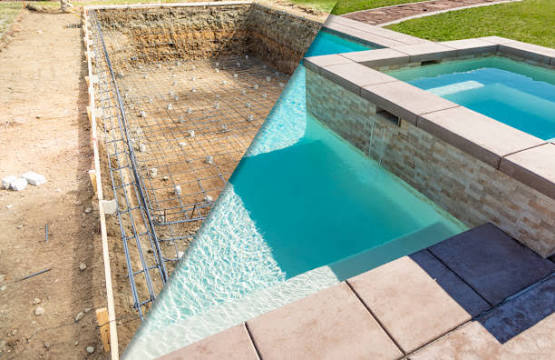
You've made the decision. You've picked your builder. You've signed the contract. Now what?
For most DFW homeowners, the pool construction process is something they've never been through before — and not knowing what to expect at each stage can make the experience feel more stressful than it needs to be. The excavator shows up, the backyard turns into a job site, weeks go by with no visible water, and suddenly you're wondering if everything is on track.
It is. But only if you understand what's actually happening and why.
This guide walks you through the full pool construction process in Dallas-Fort Worth — every phase, what it involves, how long it takes, and what you should be watching for as a homeowner. When you know what's coming, the entire experience becomes a lot easier to navigate.
Why the Pool Construction Process in DFW Is Unique
Before diving into the phases, it's worth understanding why pool construction in North Texas requires specific knowledge that builders from other markets simply don't have.
The most significant factor is expansive clay soil. The clay beneath most DFW yards swells dramatically when wet and contracts when dry, creating constant ground movement that pool structures must be engineered to handle. Every phase of the construction process — from how deep the excavation goes, to how the steel rebar is configured, to how thick the gunite shell is applied — is influenced by North Texas soil conditions. Builders who don't build here every day frequently underestimate what that requires.
The second factor is the permitting environment. Every city in DFW has its own building department, its own permit processing timelines, its own inspection requirements, and its own code nuances. Flower Mound, Colleyville, Arlington, Keller, and Fort Worth all have different processes — and a builder who knows those processes can keep your project moving while others sit waiting on approvals.
Understanding these factors sets the right expectations for what the pool construction process looks like from start to finish in DFW.
Phase 1: Design Consultation and Custom Planning
The pool construction process begins before a single shovel touches the ground. The design consultation is where your pool actually comes to life — on paper, in 3D renderings, and in the conversations you have with your builder about how you actually want to use your backyard.
A thorough design consultation involves more than picking a shape and a color. It includes a site assessment of your actual yard — soil conditions, slope, utility lines, drainage, existing structures, and access for equipment — because all of these factors affect what your pool can be and what it will cost to build.
At Kingswood Outdoors, we take every consultation seriously. We're not showing you a catalog of pre-built options and asking which one you want. We're designing a pool specifically for your lot, your lifestyle, and your home's architecture. That process takes real time — and that time spent upfront is what separates a finished pool that feels exactly right from one that feels like it was dropped into your yard by someone who never actually stood in it.
Design phase timeline: 1 to 3 weeks depending on complexity and revision cycles.
Phase 2: Permitting and HOA Approval
Once the design is approved and the contract is signed, the next step in the pool construction process is obtaining permits. This is the phase that consistently catches DFW homeowners off guard — not because anything goes wrong, but because it simply takes longer than most people expect.
Every inground pool in the Dallas-Fort Worth area requires a municipal building permit before construction can begin. Depending on which city your home is in, permit processing can take anywhere from two weeks to eight weeks. During peak spring and summer season, when permit offices are backlogged with applications from every builder in the market, the high end of that range is common.
If your home is governed by an HOA — which is true for a large percentage of properties across DFW — you'll also need HOA architectural review approval before or alongside the municipal permit. HOA review timelines vary widely. Some associations turn approvals around in a week. Others require a monthly board meeting to review submissions, which can add four to six weeks to the process on its own.
The most important thing to understand about the permitting phase is that it cannot be rushed. Experienced builders like Kingswood Outdoors handle all permit submissions and HOA documentation for you — we know the process in Flower Mound, Colleyville, Arlington, Highland Village, Fort Worth, and every city we serve. What we can't do is speed up a government processing timeline. What we can do is make sure the application is complete and correct the first time so it doesn't come back with requests for revisions.
Permitting timeline: 2 to 8 weeks depending on municipality and HOA requirements.
Phase 3: Excavation
When excavation begins, the pool construction process becomes very real very fast. Heavy equipment arrives, a gate may need to be temporarily removed for access, and your backyard transforms from a lawn into a construction site within a single day.
Excavation involves digging out the exact shape and depth of your pool based on the engineered design. In DFW, excavation requires specific attention to the clay soil being removed and the stability of the excavated walls during construction. Some lots encounter rock during excavation, which requires specialized equipment and adds time and cost to this phase. Some lots have soil conditions that require additional drainage infrastructure to be installed before construction proceeds.
The excavation phase is when most homeowners first see the actual footprint of their pool in their yard — and it's almost always larger than it looked on paper. That's normal. Once the surrounding deck, coping, and landscaping are in place, the scale balances out dramatically.
Excavation timeline: 1 to 3 days for a standard DFW pool project.
Phase 4: Steel Reinforcement
After excavation, the steel rebar framework goes in. This is the structural skeleton of your pool — the engineering that will hold the gunite shell in place for decades against the movement of North Texas clay soil.
The rebar is tied and positioned according to the engineered specifications for your specific pool design. In DFW, rebar spacing, depth, and configuration are more involved than they would be in markets without expansive clay soil. The structural engineering behind a gunite pool in North Texas is one of the things that most directly affects how long the pool holds up — and it's something that no homeowner should accept shortcuts on.
A city inspector must visit and approve the rebar installation before the next phase can proceed. This inspection is one of several mandatory inspection points in the DFW pool construction process.
Steel timeline: 3 to 7 days.
Phase 5: Plumbing and Electrical
While the steel is being set — and continuing after the gunite phase — plumbing and electrical work runs throughout the pool shell. This phase installs all the underground plumbing lines that will carry water to and from your skimmers, main drains, returns, water features, and spa. It also runs the electrical conduit for your LED lighting, automation systems, pump equipment, and any additional features.
In DFW, every electrical component of a pool project must be performed by a licensed electrician holding active credentials through the Texas Department of Licensing and Regulation. Any pool builder who cannot provide verified license numbers for their electrical and plumbing subcontractors is a serious red flag — and something every homeowner should ask about before signing a contract.
Plumbing and electrical timeline: 3 to 7 days.
Phase 6: Gunite Application
This is the phase most homeowners find most dramatic — and for good reason. Gunite is applied by a crew using specialized equipment that sprays a pressurized mixture of cement and sand over the rebar framework, building up the dense concrete shell that forms your pool structure.
Gunite application itself is typically completed in a single day for a standard-sized DFW pool. What follows is equally important: a curing period of seven to ten days during which the concrete must be kept moist to cure properly. Rushing or cutting short the curing process compromises the structural integrity of the shell — a corner that experienced builders never cut regardless of scheduling pressure.
The gunite phase is where the pool truly takes shape for the first time. Seeing the actual shell of your pool for the first time is one of the most exciting moments in the entire construction process.
Gunite and cure timeline: 8 to 14 days.
Phase 7: Tile, Coping, and Decking
Once the shell is cured and inspected, the pool construction process moves into the phase that most directly affects how your finished pool looks. Tile is applied at the waterline, coping is installed along the pool's edge, and decking material is placed around the surrounding patio area.
These selections — made during the design phase — come to life in this stage. The tile and coping combination frames the visual character of your pool. The decking material determines how the entire pool environment feels to walk on, sit around, and live in.
In DFW, material selections for coping and decking require specific attention to heat resistance and UV durability. Materials that stay comfortable underfoot under Texas sun are different from what you'd choose in a cooler climate. Premium materials like travertine, natural stone, and quality pavers are popular choices among DFW homeowners for exactly this reason — they look exceptional, last for decades, and stay significantly cooler underfoot than standard concrete during the hottest months of the Texas summer.
Tile, coping, and decking timeline: 1 to 3 weeks depending on material selections and scope.
Phase 8: Interior Finish
The interior finish is applied after the tile and coping are complete. This is the surface your hands, feet, and body will be in contact with every time you swim — and it's one of the most important selections in the entire pool construction process.
Standard white plaster is the entry-level option. Premium aggregate finishes — pebble, quartz, and glass bead surfaces — last significantly longer, feel better underfoot, and give the water a dramatically richer visual quality. In North Texas, where pools endure extreme heat cycles, UV exposure, and hard water conditions, a premium interior finish pays for itself many times over in longevity and daily enjoyment.
After the finish is applied, the pool is filled with water and the startup chemistry process begins — the careful balance of chemicals that prepares the water for swimming and protects the new surface during its critical early curing period.
Interior finish and startup timeline: 1 to 2 weeks.
Phase 9: Equipment Installation and Final Walkthrough
The final phase of the pool construction process involves installing and commissioning the equipment — pump, filter, heater, automation system, and any additional components — and completing the finishing details that pull the entire project together.
At Kingswood Outdoors, the final walkthrough is something we take seriously. Before we hand over the keys, we walk you through every system, every control, and every maintenance requirement of your new pool. You leave the walkthrough fully confident in how your pool operates — not wondering what half the buttons on the controller do or who to call when something looks different than expected.
Equipment and walkthrough timeline: 3 to 7 days.
Tips for a Smoother Pool Construction Process in DFW
Start early. The biggest mistake DFW homeowners make is signing a contract in April expecting to swim by Memorial Day. Between permitting and construction, that math almost never works. If you want to swim by summer, start the design and permitting process in late fall or early winter.
Make your selections early. Delays in material selections — tile, coping, decking, interior finish — are one of the most common causes of construction slowdowns. Have all your selections finalized before construction begins so your builder is never waiting on you.
Communicate proactively. If something looks different than you expected, ask immediately. Minor miscommunications addressed early are far easier to resolve than ones discovered at the final walkthrough.
Prepare your yard. Large equipment needs access to your backyard. A gate panel may need to come down temporarily. Pets need to be kept away from the construction zone. Neighbors should be given a heads up. Small preparations upfront prevent friction during the build.
Trust the process. The pool construction process involves phases where very little appears to be happening from the outside — particularly during permitting and curing. Trust that work is progressing behind the scenes and that the timeline your builder provided accounts for these periods.
Ready to Start the Pool Construction Process in DFW?
Now that you know what to expect at every phase, the only thing left is choosing the right builder to guide you through it.
At Kingswood Outdoors, we build custom pools throughout the Dallas-Fort Worth metroplex — serving homeowners in Flower Mound, Colleyville, Arlington, Highland Village, Southlake, Keller, Fort Worth, and throughout Tarrant and Denton Counties. Every project is handled with the craftsmanship, communication, and transparency our clients deserve from start to finish.
