


Saltwater Pool vs. Chlorine Pool in DFW: Which Is Right for Your Backyard?
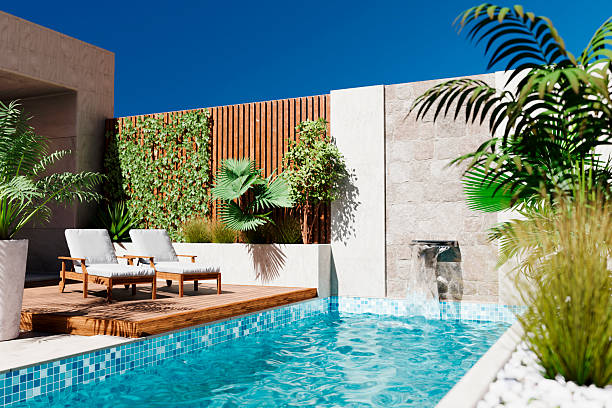
When Dallas-Fort Worth homeowners start planning a custom pool, the saltwater versus chlorine question comes up in almost every conversation. It's one of the most searched pool topics in DFW — and one of the most frequently misunderstood.
The marketing around saltwater pools has created a lot of myths. Many homeowners arrive at the design table believing saltwater pools are chlorine-free, require no chemicals, are dramatically cheaper to maintain, and are universally superior to traditional chlorine systems. None of those things are entirely true — and in the specific climate and water conditions of North Texas, some of them are significantly more complicated.
This guide gives DFW homeowners an honest, unbiased breakdown of saltwater pools versus chlorine pools — how each system actually works, what maintenance looks like in the North Texas environment, what the real cost differences are in 2026, and how to decide which system is right for your specific pool, budget, and lifestyle.
The Most Important Thing to Understand First
Saltwater pools are not chlorine-free pools. This is the single most common misconception about saltwater pool systems, and clearing it up is the essential starting point for any honest comparison.
A saltwater pool uses a salt chlorine generator — sometimes called a salt cell or SWG — that converts dissolved pool-grade salt into chlorine through a process called electrolysis. The chlorine produced by this process is the same chlorine that sanitizes a traditional pool. The difference is not whether chlorine is present — it always is — but how it gets into the water.
In a traditional chlorine pool, you add chlorine manually through tablets, liquid chlorine, or granules on a regular schedule. In a saltwater pool, the chlorine generator produces chlorine continuously and automatically from the dissolved salt in the water.
Understanding this distinction reframes the entire comparison: saltwater pools are not an alternative to chlorine. They are an automated chlorine delivery system that uses salt as the source material instead of purchased chlorine products.
How Each System Works in the DFW Climate
The performance difference between saltwater and chlorine pools is more pronounced in Dallas-Fort Worth than in most other markets — because DFW's climate and water chemistry create specific conditions that affect both systems.
Chlorine degradation in Texas heat. DFW's intense summer sun and high temperatures accelerate chlorine breakdown significantly. Ultraviolet radiation destroys free chlorine rapidly, and water temperatures above 80 degrees Fahrenheit — which is standard for DFW pools from May through September — increase the rate of chlorine consumption further. Traditional chlorine pools in North Texas require more frequent chemical additions during the peak swimming season than in cooler climates. Many DFW pool owners in peak summer are testing and adjusting chlorine levels two to three times per week.
Saltwater systems and continuous production. A saltwater chlorine generator addresses the high-consumption challenge of the DFW climate by producing chlorine continuously rather than in scheduled doses. The system runs during pump operation hours, maintaining a more consistent chlorine level throughout the day without manual intervention. For DFW homeowners with busy schedules, this continuous production significantly reduces the day-to-day chemistry maintenance burden during the long Texas swimming season.
Hard water and pH in DFW. Dallas-Fort Worth municipal water has a notably high mineral content — calcium hardness and total dissolved solids that are well above the national average. This hard water creates specific challenges for saltwater systems. The electrolysis process in a salt cell is pH-raising — saltwater pools in DFW's already alkaline water environment require more frequent pH adjustment and muriatic acid additions than pools in softer water markets. DFW saltwater pool owners typically add 50 to 100 dollars more annually in muriatic acid compared to saltwater pool owners in other regions.
Saltwater Pool Pros and Cons for DFW Homeowners
Advantages:
Softer water feel. This is the benefit most consistently reported by DFW homeowners who switch from chlorine to saltwater. The water produced by a saltwater system — lower chloramine levels, more consistent chemistry — feels genuinely softer and more comfortable on skin and eyes. For families who swim frequently, this is a meaningful quality-of-life improvement.
Reduced chemical handling. Saltwater pools require significantly less manual chemical addition than traditional chlorine pools. No handling of concentrated chlorine products, no weekly purchasing of chlorine supplies, and no storage of hazardous chemicals in the garage or pool shed. For many DFW homeowners, this convenience factor alone makes saltwater the preferred choice.
More consistent chlorine levels. Because the salt cell produces chlorine continuously during pump operation, saltwater pools maintain more stable chemistry between maintenance visits. This stability reduces the risk of algae growth during periods when traditional pools might be under-chlorinated.
Lower ongoing chemical costs. Pool-grade salt is significantly less expensive than commercial chlorine products, and once dissolved into the pool water it recirculates continuously — you add salt primarily to replace what is lost to splash-out and backwashing. For a typical 20,000-gallon DFW pool, annual salt costs run $100 to $200, compared to $300 to $600 or more for chlorine tablets and liquid chlorine in a traditional system.
Disadvantages:
Higher upfront cost. Installing a saltwater chlorine generator adds $1,800 to $4,500 to the pool's upfront cost compared to a standard chlorinator system, depending on pool size and the generator model specified. This equipment cost is the primary reason many builders default to chlorine on budget-conscious proposals.
Salt cell replacement cost. The salt cell — the heart of the saltwater system — has a lifespan of approximately three to five years in DFW's hard water environment before it requires replacement. Replacement cells cost $400 to $900 depending on the brand and model. This recurring replacement cost should be factored into any long-term cost comparison.
Corrosion risk. Salt is corrosive to certain materials — particularly metals, some stone types, and pool equipment components not designed for saltwater exposure. Heaters, lighting fixtures, handrails, and surrounding hardscape materials should be verified as saltwater-compatible before installing a saltwater system. In DFW, where natural stone coping and travertine decking are popular, specifying materials with confirmed saltwater compatibility is important.
pH management in DFW's hard water. As noted above, saltwater systems raise pH continuously in the alkaline environment common to DFW municipal water. Regular muriatic acid additions are required to keep pH in range — more so in DFW than in softer water markets. This is a manageable maintenance task, but it means saltwater pools are not as hands-off as the marketing sometimes suggests in the North Texas environment.
Traditional Chlorine Pool Pros and Cons for DFW Homeowners
Advantages:
Lower upfront cost. A standard inline chlorinator costs $200 to $800 installed — significantly less than a saltwater chlorine generator. For budget-conscious builds, this difference is real.
Simplicity. Traditional chlorine systems are straightforward technology that every pool service professional in DFW understands and can work on without specialized training or equipment. Parts are universally available and inexpensive.
Fast adjustment capability. When a traditional chlorine pool needs a chemistry correction — a shock treatment after a heavy bather load, or a rapid chlorine increase after a storm — it can be adjusted immediately with liquid chlorine or shock granules. Saltwater systems are inherently slower to respond because they produce chlorine at a continuous rate rather than allowing rapid-dose corrections.
No salt corrosion concerns. Traditional chlorine pools have no salt-related corrosion risk to equipment, stone, or hardscape materials.
Disadvantages:
Higher ongoing chemical costs. Annual chlorine purchases for a DFW pool — tablets, liquid chlorine, shock, and other supporting chemicals — run $300 to $700 or more depending on pool size, bather load, and seasonal conditions.
More frequent manual maintenance. DFW's long, hot swimming season means chlorine pools require more frequent testing and chemical addition than in cooler climates — typically two to three times per week during peak summer to maintain proper chlorine levels.
Chemical handling. Managing and storing chlorine products requires care — concentrated chlorine is a hazardous material, and improper storage or handling creates safety risks. For families with young children, eliminating chlorine from the chemical storage routine is a meaningful benefit of saltwater systems.
Harder water feel. Traditional chlorine pools tend to produce higher chloramine levels — the compounds responsible for the "pool smell" and eye irritation associated with chlorinated pools. While proper water chemistry management minimizes this, it is a real difference in swimming comfort compared to a well-maintained saltwater system.
The Real Cost Comparison Over 10 Years in DFW
For a typical 20,000-gallon custom pool in Dallas-Fort Worth, a realistic 10-year cost comparison between saltwater and traditional chlorine looks approximately like this:
Traditional Chlorine:
- Equipment installation: $400 to $800
- Annual chemical costs: $400 to $700 per year
- 10-year chemical total: $4,000 to $7,000
- Total 10-year operational cost: $4,400 to $7,800
Saltwater:
- Equipment installation: $2,500 to $4,500
- Annual chemical costs: $200 to $400 per year
- Salt cell replacements (2 over 10 years): $800 to $1,800
- 10-year chemical and replacement total: $2,800 to $5,800
- Total 10-year operational cost: $5,600 to $10,300
The numbers suggest that over a 10-year period, saltwater is not always the lower-cost option — particularly when the higher salt cell replacement frequency caused by DFW's hard water is factored in. The value of a saltwater system for DFW homeowners comes primarily from the convenience and water quality improvements, not from dramatic long-term cost savings.
Which System Is Right for Your DFW Pool?
The honest answer is that both systems work well in DFW when properly installed and maintained. The decision comes down to your priorities.
Choose saltwater if: You swim frequently and value the softer water feel, you prefer automated chemistry management over manual chemical additions, and you are comfortable with the higher upfront equipment cost and ongoing salt cell maintenance.
Choose traditional chlorine if: Upfront cost is a primary concern, simplicity and universal serviceability are important to you, or your pool design includes materials or equipment that have compatibility concerns with saltwater.
At Kingswood Outdoors, we discuss both options transparently with every DFW homeowner we work with — and we specify the system that genuinely fits your priorities and your specific pool design, not the one that is easiest for us to install.
