


Pool Resurfacing in DFW: Everything Homeowners Need to Know
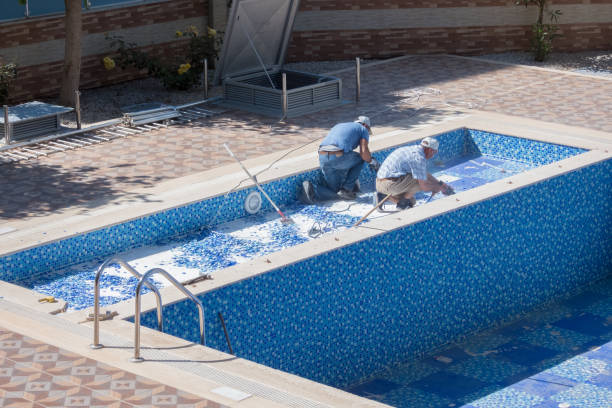
If you own a pool in Dallas-Fort Worth, pool resurfacing is something you will eventually deal with. It's not a question of if — it's a question of when, and whether you'll address it proactively or wait until you're forced to.
In North Texas, pool surfaces deteriorate faster than in almost any other market in the country. The extreme summer heat, the hard municipal water loaded with calcium and minerals, and the expansive clay soil that puts constant pressure on the pool structure all accelerate surface breakdown in ways that homeowners who've owned pools in other climates simply haven't experienced.
This guide covers everything DFW homeowners need to know about pool resurfacing — what it is, when you need it, what your options are, what it costs, and what a professional resurfacing project actually involves.
What Is Pool Resurfacing?
Pool resurfacing is the process of removing the existing interior finish of your pool and applying a new one in its place. The interior surface — also called the plaster, finish, or shell coating — is the material that lines the inside of your pool shell, holds the water, and determines how the pool looks and feels from the inside.
Over time, every pool surface degrades. Plaster deteriorates, stains, becomes rough, and eventually starts to fail structurally. When that happens, pool resurfacing is the solution. It restores the pool's appearance, improves the water quality, extends the structural life of the shell, and — if you upgrade to a premium finish — dramatically improves the look, feel, and durability of the surface going forward.
Pool resurfacing is one of the most common pool remodeling projects in DFW, and one of the most impactful investments a pool owner can make in the longevity and enjoyment of their pool.
Signs Your DFW Pool Needs Resurfacing
Knowing when your pool needs resurfacing is important — catching it at the right time means a straightforward resurfacing job. Waiting too long can mean structural complications that add significantly to the project scope and cost.
Rough texture underfoot. If the bottom of your pool feels like sandpaper on bare feet, the plaster surface has deteriorated past its useful life. Standard plaster finishes in DFW typically last 7 to 10 years before reaching this stage. Premium aggregate finishes last 15 to 25 years.
Flaking or chipping plaster. When you see plaster chips floating in the pool water, or visible flaking on the pool walls and floor, the surface has failed and needs to be replaced. This is not cosmetic — deteriorating plaster affects water chemistry and can expose the concrete shell to water infiltration.
Stubborn staining. Mineral staining from DFW's hard water, algae staining from chemistry imbalances, and metallic staining from equipment leaching are all common in North Texas pools. When stains resist chemical treatment and acid washing, resurfacing is the only way to restore a clean, uniform appearance.
Visible etching or pitting. Pool water chemistry that runs too acidic over time — which is a common issue in DFW's hard water environment — etches the plaster surface and creates a pitted, uneven texture. Etched plaster is harder to keep clean, harbors algae more readily, and will continue to deteriorate.
Age. If your pool is approaching or past 10 years old and has its original standard plaster finish, it's worth having the surface professionally assessed even if you haven't noticed obvious signs of deterioration. Proactive resurfacing on a schedule is almost always less expensive than reactive resurfacing after structural problems develop.
Pool Resurfacing Options for DFW Homeowners
The most important decision in a pool resurfacing project is which finish to use. The options have expanded dramatically over the past decade, and the upgrade options available today are significantly better than what most DFW pools currently have.
Standard White Plaster
Standard white plaster is the entry-level interior finish — the one that came standard on most DFW pools built in the 1990s and 2000s. It's the most affordable resurfacing option and produces the familiar bright blue water color that most people picture when they think of a swimming pool.
The downsides are significant. Standard plaster in DFW's hard water and extreme heat environment typically lasts 7 to 10 years before showing deterioration. It's prone to staining, etching, and a rough texture as it ages. In most cases, a pool resurfacing project is an opportunity to upgrade away from standard plaster rather than replace like with like.
Quartz Aggregate Finishes
Quartz aggregate finishes blend quartz crystals into the plaster mix, creating a significantly more durable and visually appealing surface than standard white plaster. The quartz adds hardness and stain resistance, the surface is smoother underfoot, and the color options are considerably broader — ranging from classic whites and grays to warm tans, cool blues, and dramatic charcoals.
Quartz aggregate finishes typically last 12 to 18 years in DFW conditions and represent a meaningful step up in both performance and aesthetics from standard plaster. They're one of the most popular pool resurfacing choices for DFW homeowners who want an improvement over their original finish without the full investment of a premium pebble surface.
Pebble and River Rock Finishes
Pebble finishes — including brands like PebbleTec, PebbleSheen, and PebbleFina — are the gold standard for pool resurfacing in DFW. Natural pebbles or river rock are embedded in a cement base, creating a textured surface with extraordinary visual depth and exceptional durability.
The water quality above a pebble finish is unlike any other pool interior. The natural stone aggregates create a rich, deep water color — ranging from vibrant tropical blues to dramatic deep navy or even near-black depending on the pebble selection — that standard plaster simply cannot replicate. Pebble finishes feel smooth to the touch, resist staining and chemical attack, and in North Texas conditions can last 20 to 25 years with proper maintenance.
For DFW homeowners investing in pool resurfacing, a pebble finish is almost always the recommendation — the premium cost over quartz or plaster is recovered many times over in longevity, reduced maintenance, and daily visual enjoyment.
Glass Bead Finishes
Glass bead finishes incorporate tiny glass beads into the surface material, creating a shimmering, luminescent quality that is especially stunning under LED pool lighting. They're the most premium option available for pool resurfacing and are typically reserved for high-end luxury builds and remodels where visual impact is the priority.
What Does Pool Resurfacing Cost in DFW?
Pool resurfacing costs in Dallas-Fort Worth vary based on pool size, current surface condition, and the finish selected. Rough ranges for the DFW market in 2026 are as follows:
Standard plaster resurfacing: $8,000 to $15,000 for a standard-sized pool. This covers surface removal, shell preparation, and new plaster application. It does not include any additional repairs, tile replacement, or coping work.
Quartz aggregate resurfacing: $12,000 to $20,000 for a standard-sized pool. The premium over plaster reflects the material cost and the additional labor involved in proper aggregate application.
Pebble finish resurfacing: $18,000 to $30,000+ for a standard-sized pool. Pebble finishes require certified applicators and precise technique. The investment reflects both the material quality and the specialized labor required.
Factors that significantly affect total pool resurfacing cost include: the condition of the existing surface (major deterioration requiring extensive shell preparation adds cost), whether tile and coping are being replaced simultaneously, the pool's size and complexity, and whether any structural repairs need to be addressed before the new surface is applied.
A pool resurfacing project is an ideal time to simultaneously address tile replacement, coping upgrades, deck repairs, and equipment updates — since the pool is already drained and the construction crew is already on-site. Bundling work this way is almost always more cost-effective than addressing each element separately.
The Pool Resurfacing Process: What to Expect
A professional pool resurfacing project in DFW follows a consistent sequence of steps.
Pool draining and surface removal. The pool is drained completely, and the existing interior surface is removed using specialized equipment. The surface removal process exposes the concrete shell beneath and reveals any structural issues — cracks, delamination, or areas requiring repair — that need to be addressed before the new finish is applied.
Shell preparation and repairs. Once the existing surface is removed, the shell is inspected thoroughly. Any cracks are repaired, rough areas are ground down, and the surface is prepared to accept the new finish. Proper shell preparation is one of the most important steps in the entire pool resurfacing process — a new finish applied over an improperly prepared shell will fail prematurely.
New surface application. The chosen finish is applied by a qualified crew using the appropriate technique for the material selected. Pebble and aggregate finishes require specialized expertise — the application process is significantly different from standard plaster work, and the quality of the application directly determines how long the finish lasts.
Water filling and startup chemistry. After the surface is applied, the pool is carefully filled with water and the critical startup chemistry process begins. The first 28 days after a new pool surface is applied are particularly important — the chemistry balance during this period directly affects how the surface cures and how it will look and feel for years to come.
Total timeline for a standard DFW pool resurfacing project: 1 to 3 weeks from drain to swim-ready, depending on finish selected, shell condition, and weather.
Why Kingswood Outdoors for Pool Resurfacing in DFW
At Kingswood Outdoors, pool resurfacing in Dallas-Fort Worth is an integral part of our remodeling service. We understand what DFW pool surfaces go through year after year — the hard water, the heat cycles, the clay soil movement — and we know what it takes to resurface a pool the right way.
Every pool resurfacing project we take on begins with a thorough assessment of the existing surface and shell condition. We give you an honest evaluation of what you're working with, what needs to be addressed, and what your finish options will deliver in terms of longevity, appearance, and performance in the North Texas environment.
We serve homeowners across Flower Mound, Colleyville, Arlington, Southlake, Keller, Highland Village, Fort Worth, and throughout Tarrant and Denton Counties.
