


How Much Does a Pool Cost in DFW? A 2026 Pricing Guide for Dallas-Fort Worth Homeowners
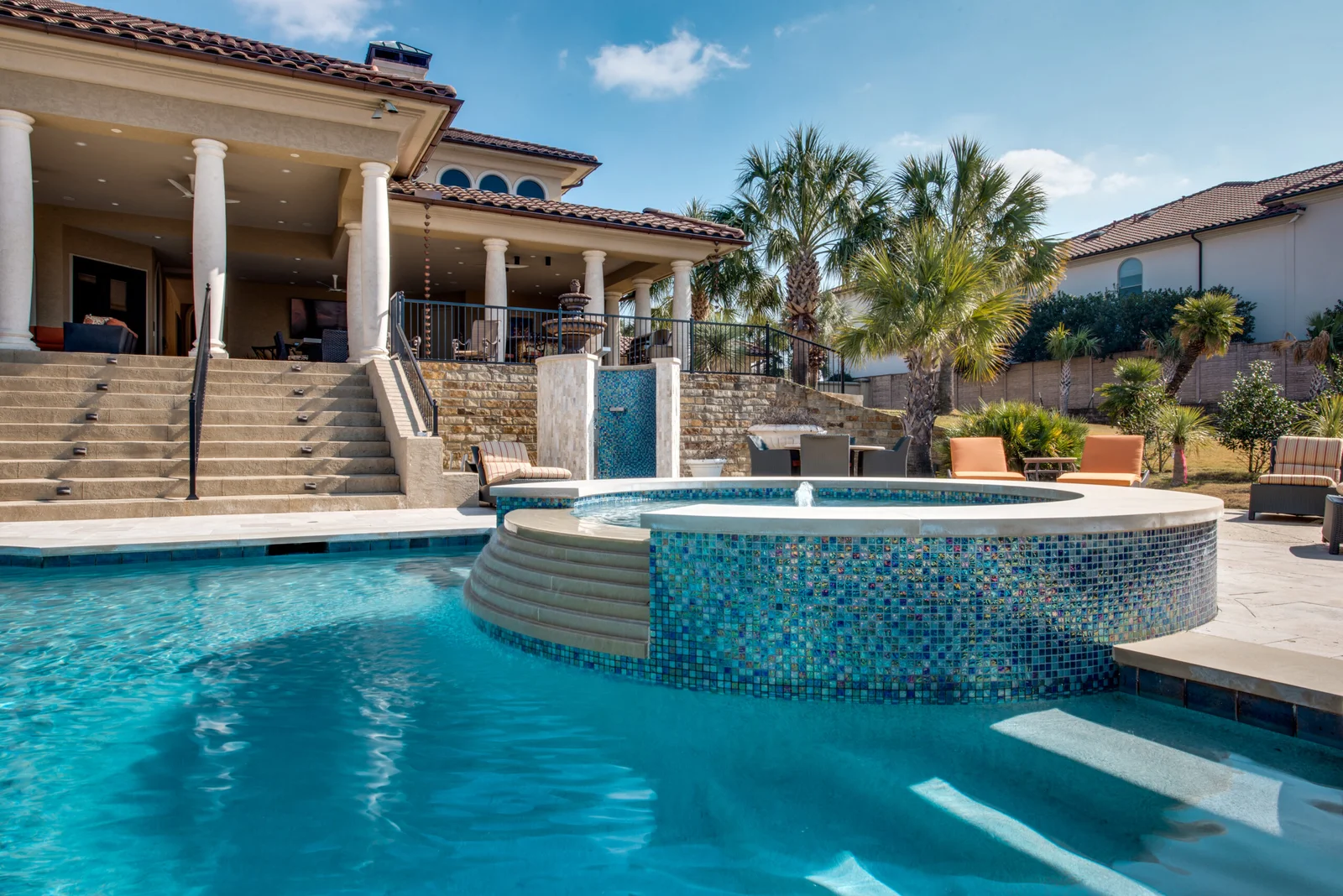
"How much does a pool cost?" It's the first question almost every Dallas-Fort Worth homeowner asks when the idea of building a pool starts to feel serious. It's also one of the hardest questions to answer honestly — because the range is genuinely wide, the variables are real, and the national averages you'll find on most websites don't accurately reflect what pools actually cost in the DFW market.
This guide gives you real, DFW-specific pool cost numbers for 2026 — not generic national data. It breaks down what drives the price, what add-ons cost, what DFW-specific factors push costs higher than other markets, and what you should realistically expect to budget before sitting down with a pool builder in North Texas.
If you're a homeowner in Dallas, Fort Worth, Flower Mound, Colleyville, Arlington, Southlake, Keller, or anywhere across the DFW metroplex, this is the pool cost guide you've been looking for.
Why Pool Costs in DFW Are Higher Than National Averages
Before getting into the numbers, it's important to understand why pool costs in Dallas-Fort Worth tend to run 20 to 30 percent higher than the national averages you'll find on home improvement aggregator websites. There are three primary reasons.
Expansive clay soil. Much of DFW sits on some of the most reactive clay soil in the country. This soil expands significantly when wet and contracts when dry, creating constant movement that pool structures must be engineered to handle. Proper pool construction in North Texas requires additional structural reinforcement, deeper excavation in some cases, and more sophisticated drainage planning than most other markets. These aren't optional extras — they're requirements for building a pool that won't crack, shift, or fail within a few years. Builders who cut corners on structural engineering in DFW clay soil create problems that become very expensive to fix.
Strong labor demand. The Dallas-Fort Worth metroplex is one of the fastest-growing major metros in the United States. The construction labor market here is intensely competitive, with skilled tradespeople in high demand across residential, commercial, and infrastructure projects. Pool builders are competing for the same licensed electricians, plumbers, and excavation crews as every other segment of the construction industry. That demand is reflected in labor rates.
Local permitting requirements. Every inground pool in DFW requires municipal permits, and the permitting process involves multiple inspection stages across different cities and counties. Permitting timelines, requirements, and fees vary widely across DFW municipalities — from Flower Mound to Fort Worth to Colleyville — and managing that process correctly adds both time and cost to every project.
Understanding these factors upfront prevents sticker shock when real quotes arrive.
Pool Cost in DFW by Pool Type — 2026 Pricing
The type of pool you choose is the single biggest variable in determining your pool cost in DFW. There are three primary pool types built in North Texas.
Gunite (Concrete) Pools — $80,000 to $200,000+
Gunite pools — sometimes called concrete pools — are by far the most common type built in DFW, and for good reason. They are fully custom, built in place using a steel-reinforced concrete shell, and can be shaped into virtually any design. Gunite is the material of choice for luxury custom pools in North Texas because of its structural strength, its adaptability to complex designs, and its ability to be finished with premium materials like pebble, quartz, or tile.
For a standard mid-range custom gunite pool in the DFW area — roughly 400 to 600 square feet, including basic decking, standard equipment, and a plaster finish — you're looking at $80,000 to $120,000 in 2026 market pricing. Mid-range to upper-end builds with upgraded finishes, water features, and integrated spas typically run $120,000 to $180,000. Full luxury resort-style builds with extensive outdoor living integration, premium stonework, and high-end automation regularly exceed $200,000 to $300,000 or more.
Fiberglass Pools — $60,000 to $100,000
Fiberglass pools use a pre-manufactured shell that is excavated and dropped into place. They have become increasingly popular in DFW over the past decade because of their lower maintenance requirements — the smooth, non-porous surface resists algae and requires fewer chemicals than plaster. They install faster than gunite and offer predictable pricing.
The trade-off is design flexibility. Fiberglass pools come in predetermined shapes and sizes from the manufacturer. If you want a truly custom design — a specific shape, a tanning ledge in a particular location, or a size outside standard shell dimensions — fiberglass doesn't offer what gunite does. For homeowners who prioritize lower maintenance and faster installation over complete design freedom, fiberglass is a strong option in the $60,000 to $100,000 range for standard installations in DFW.
Vinyl Liner Pools — $45,000 to $75,000
Vinyl liner pools are the most affordable inground option, but they are the least common type built in DFW. The vinyl liner itself needs to be replaced every 7 to 12 years, which adds a recurring maintenance cost. They are also more susceptible to damage from the sharp gravel in DFW soil and can be punctured during the expansive soil movement that North Texas experiences. Most experienced DFW pool builders recommend gunite or fiberglass over vinyl liner for the longevity and structural considerations specific to this market.
What Add-Ons Cost — DFW Pool Pricing for Features and Upgrades
The base pool structure is almost never the full story. Most DFW homeowners building a custom pool include features that transform the pool from a basic water vessel into a resort-quality backyard environment. Here's what the most popular upgrades cost in the DFW market in 2026.
Integrated Spa: $15,000 to $30,000An attached spa that spills over into the pool is one of the most requested features by DFW homeowners. It extends the usable season well into fall and winter, adds significant visual appeal, and is almost universally considered a worthwhile investment.
Tanning Ledge (Baja Shelf): $3,000 to $8,000A shallow, wide step that allows lounging in just a few inches of water. Enormously popular for families with young children and homeowners who want a resort-style feel.
Waterfall or Water Features: $3,000 to $15,000+Sheer descents, deck jets, rock waterfalls, and scuppers. Water features add sound, movement, and visual drama to the pool environment. Pricing varies significantly based on complexity.
LED Lighting Package: $3,000 to $8,000Color-changing LED pool lighting transforms the pool at night and is considered standard on virtually all luxury custom builds in DFW. In-pool, in-step, and landscape lighting can all be incorporated.
Pool Automation System: $3,000 to $8,000Smart automation allows you to control your pool's pump, heater, lighting, and water features from a smartphone. Variable-speed pumps alone can reduce monthly energy costs by 50 to 70 percent compared to single-speed alternatives.
Saltwater System: $1,500 to $4,000Saltwater pools generate their own chlorine through a salt cell, resulting in softer water that's gentler on skin and eyes. Lower ongoing chemical costs and easier maintenance make this a popular upgrade.
Premium Decking (Travertine, Pavers, Natural Stone): $15,000 to $40,000+The deck surrounding your pool is as important as the pool itself. Natural travertine stays significantly cooler underfoot in Texas heat than standard concrete, making it both a practical and aesthetic upgrade.
Outdoor Kitchen Integration: $20,000 to $60,000+When an outdoor kitchen is designed and built as part of the pool project, it creates a seamless outdoor living environment. Stand-alone grills and prep stations sit at the lower end; full culinary suites with refrigeration, sinks, and premium appliances reach into the higher range.
Pergola or Patio Cover: $15,000 to $50,000+Essential in DFW given the summer heat. A covered outdoor living area adjacent to the pool dramatically increases the functionality and usability of the entire backyard.
What Drives the Final Pool Cost in DFW — The Variables That Matter
Beyond pool type and add-ons, several site-specific and project-specific variables significantly affect your final pool cost in Dallas-Fort Worth.
Lot size and shape. Smaller lots or awkwardly shaped backyards require more complex engineering and excavation, which adds cost. Lots with limited equipment access — narrow side gates, fencing that must be removed, proximity to existing structures — also add to the overall project cost.
Soil conditions. Even within DFW, soil conditions vary. Some lots encounter rock during excavation, which requires specialized equipment and significantly increases excavation costs. Others have soil conditions that require additional drainage infrastructure.
Permit fees and timelines. Permit fees, inspection requirements, and processing timelines vary considerably across DFW municipalities. Building a pool in Flower Mound has a different permitting process than building one in Fort Worth or Colleyville. An experienced local pool builder will know what to expect in your specific city.
HOA requirements. Many communities across DFW have HOA design guidelines that affect pool materials, fence requirements, and construction timing. Navigating HOA approval adds time to the process and occasionally requires design adjustments.
Season and timing. Fall and winter construction in DFW often comes with better contractor availability and, in some cases, lower pricing. Building during peak summer demand may mean longer wait times and less scheduling flexibility.
Is Building a Pool in DFW Worth the Investment?
For most DFW homeowners, the answer is yes — especially when you factor in quality of life alongside financial return.
On the financial side, a well-built custom pool in North Texas typically adds 5 to 10 percent to a home's resale value. In premium communities across DFW — Southlake, Colleyville, Flower Mound, West Plano — where 40 percent or more of competing homes have pools, not having one can actually work against you during a sale.
On the lifestyle side, the calculus is even more straightforward. DFW's outdoor season runs from late April through mid-October without heating, and stretches to nine months or more with a pool heater. That's hundreds of days per year where a private pool transforms your backyard into the place your family actually wants to be — not somewhere you're scrolling through pictures of other people's backyards wishing you had one.
A pool built right, with quality materials and proper engineering, is a 25 to 30-year investment in your home and your daily life. The homeowners who regret building a pool in DFW are rare. The ones who wish they'd done it sooner are not.
What to Expect When You Get Quotes From DFW Pool Builders
When you start collecting quotes from pool builders in Dallas-Fort Worth, a few things are worth keeping in mind.
Get itemized quotes. A reputable DFW pool builder should provide a detailed, itemized proposal — not a lump sum number with vague scope. You should be able to see exactly what's included, what materials are specified, and what's explicitly excluded.
Be cautious of the lowest bid. Pool construction in DFW requires specific engineering knowledge, licensed subcontractors, and quality materials. The lowest quote almost always reflects corners being cut somewhere — on structural engineering, on finish quality, on material grades, or on the permits and inspections that protect your investment. Those shortcuts become expensive problems later.
Ask about their DFW-specific experience. Has the builder worked in your specific city? Do they understand your municipality's permitting process? Do they have experience building in the soil conditions common to your area of the metroplex? These are questions worth asking before signing anything.
